
Youth Mental Health Matters Today
As the digital age evolves, so too does the landscape of youth mental health. With 1 in 5 adolescents grappling with mental health disorders, understanding these challenges is not just important—it's vital. How can we equip ourselves to support the younger generation as they navigate this complex world?
What You Will Learn
- Approximately 32% of adolescents report experiencing anxiety symptoms, highlighting a widespread issue.
- Mental health disorders often emerge by age 14, underlining the need for early intervention.
- Social media can negatively impact mental health, leading to feelings of isolation, but it can also foster support and community.
- Common symptoms of mental health issues include mood changes, withdrawal, and difficulty concentrating.
- Promoting mental health literacy in schools can reduce stigma and encourage open conversations about mental health.
Youth Mental Health Challenges: Key Statistics & Impact
Understanding the landscape of mental health challenges among adolescents is crucial for early intervention and support.
Prevalence of Mental Health Disorders Among Adolescents
32% report anxiety symptoms
20% face depression
9% affected by ADHD
(Approx. 1 in 5 adolescents experiences a mental health disorder)
Key Statistics from CDC & NIMH on Youth Mental Health
40% of high school students reported persistent sadness/hopelessness (CDC)
Mental health disorders often emerge by age 14 (NIMH)
Suicide is the 2nd leading cause of death for ages 15-24
Mental Health Challenges in Youth: Understanding the Landscape
As a cognitive enhancement specialist, I've seen firsthand how the mental health landscape for youth is evolving. It's essential to understand the challenges young people face today, particularly regarding mental health disorders. Recent studies indicate a significant rise in issues such as anxiety, depression, and ADHD among adolescents.
According to the latest data, approximately 1 in 5 adolescents experiences a mental health disorder. This alarming statistic highlights the importance of addressing these issues early and effectively. I believe that by equipping ourselves with the right knowledge, we can better support our youth in overcoming these challenges!
Prevalence of Mental Health Disorders Among Adolescents
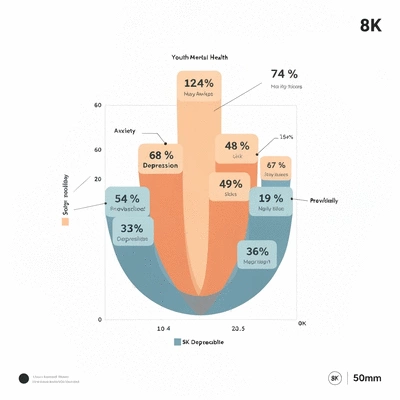
The prevalence of mental health disorders in young individuals is a critical concern. Here are some key statistics:
- About 32% of adolescents report experiencing symptoms of anxiety.
- Roughly 20% of teens face depression.
- ADHD affects around 9% of children and adolescents.
These figures reflect a growing trend that cannot be ignored. As we delve deeper into understanding these disorders, it becomes clear that early intervention and support can make a significant difference in their lives.
The Impact of Social Media on Teen Mental Health
Social media has become an integral part of our lives, especially for teenagers. While it offers a platform for connection and self-expression, it can also pose several risks to mental health. For instance, excessive use can lead to feelings of isolation and anxiety.
However, social media isn't all bad! It can also provide a sense of community and support. To navigate this complex landscape, teens need guidance on how to engage healthily.
Key Statistics from the CDC and NIMH on Youth Mental Health
Organizations like the CDC and the NIMH provide valuable insights into youth mental health. Here are some key points:
- The CDC indicates that nearly 40% of high school students reported persistent feelings of sadness or hopelessness.
- The NIMH highlights that mental health disorders often emerge by the age of 14.
- Suicide is the second leading cause of death among individuals aged 15 to 24 years.
These statistics underline the urgency of addressing mental health issues among our youth. By understanding the landscape, we can take actionable steps to foster a healthier environment for our young people.
Pro Tip
To effectively support youth facing mental health challenges, consider fostering open dialogues about emotions and experiences. Encourage teens to express their feelings without judgment, and remind them that seeking help is a sign of strength, not weakness. Building a safe space for these conversations can significantly enhance their mental resilience!
Recognizing Signs: How to Identify Mental Health Issues in Youth
Identifying mental health issues in youth can be challenging, especially when symptoms may manifest differently than in adults. It's essential for parents and educators to recognize common signs of mental health struggles, as early identification can lead to timely support and intervention. Here are some prevalent symptoms to watch for:
- Changes in Mood: Sudden shifts in mood, such as increased irritability or sadness.
- Withdrawal: A tendency to isolate themselves from friends and family.
- Changes in Appetite: Significant weight loss or gain, or disinterest in food.
- Difficulty Concentrating: Trouble focusing on tasks at school or home.
These symptoms can often be mistaken for typical teenage behavior, making it crucial to approach the situation with understanding and empathy. Keeping an open line of communication with our youth can help them express themselves more freely.

Common Symptoms of Anxiety and Depression in Teens
Anxiety and depression are two of the most prevalent mental health disorders among young people. They can have profound effects on a teen's daily life, school performance, and relationships. Here are some common symptoms parents and educators should be aware of:
- Persistent Sadness: Feeling hopeless or worthless.
- Loss of Interest: A lack of interest in activities they once enjoyed.
- Restlessness: Exhibiting signs of nervousness or an inability to relax.
- Physical Symptoms: Complaints of headaches, stomachaches, or fatigue without an apparent cause.
By recognizing these symptoms, we can provide necessary support for teens struggling with anxiety and depression. It’s important to approach conversations with sensitivity, encouraging them to share their feelings without fear of judgment.
Understanding ADHD: Key Signs and Implications
Attention-Deficit/Hyperactivity Disorder (ADHD) is another condition that significantly impacts a young person’s life. Symptoms of ADHD can interfere with their ability to function in school and at home. Here are some key signs to look for:
- Inattention: Difficulty paying attention to details or following through on tasks.
- Impulsivity: Acting without thinking about consequences, leading to risky behaviors.
- Hyperactivity: Excessive fidgeting, restlessness, or inability to stay seated.
Understanding these signs can help us tailor support systems that meet the specific needs of young people with ADHD. For instance, implementing structured routines and providing clear instructions can greatly benefit their day-to-day experiences.
Utilizing Mental Health Literacy Programs in Schools
Promoting mental health literacy in schools is essential for fostering a supportive environment for our youth. These programs educate students about mental health symptoms, resources, and coping strategies. Here’s why they are vital:
- Awareness: Helps students recognize signs of mental health issues in themselves and peers.
- Resources: Equips them with knowledge about where to seek help and support.
- Reduction of Stigma: Normalizes conversations around mental health, reducing stigma and promoting a culture of openness.
At Memory Upgrades, we believe that understanding mental health is the first step to addressing it effectively. By integrating these programs into the curriculum, we empower youth to take charge of their mental well-being!
Frequently Asked Questions about Youth Mental Health
Here are some common questions regarding mental health challenges in young people:
- Q: How prevalent are mental health disorders among adolescents?
A: Approximately 1 in 5 adolescents experiences a mental health disorder, with about 32% reporting anxiety symptoms and 20% facing depression. - Q: What are some early signs of mental health issues in youth?
A: Key signs include changes in mood (e.g., increased irritability or sadness), withdrawal from social activities, changes in appetite, and difficulty concentrating. - Q: What role does social media play in teen mental health?
A: Social media can have both positive and negative impacts. While it offers platforms for connection and support, excessive use can lead to feelings of isolation and anxiety. Healthy engagement strategies are crucial. - Q: When do mental health disorders typically emerge in young people?
A: According to the NIMH, mental health disorders often emerge by the age of 14, highlighting the importance of early intervention. - Q: How can schools support youth mental health?
A: Schools can implement mental health literacy programs to raise awareness of mental health symptoms, provide resources, and reduce the stigma associated with seeking help.
Recap of Key Points
Here is a quick recap of the important points discussed in the article:
- Approximately 1 in 5 adolescents experiences a mental health disorder, highlighting the need for early intervention.
- Key statistics show that 32% of adolescents report symptoms of anxiety, and 20% face depression.
- Social media can both positively and negatively impact teen mental health, necessitating healthy engagement strategies.
- Recognizing signs of mental health issues, such as mood changes and withdrawal, is crucial for timely support.
- Implementing mental health literacy programs in schools can promote awareness and reduce stigma.