Key Psychological Benefits
Emotional Processing Stress Reduction Self-Awareness Goal Setting
Have you ever felt like your thoughts were a jumbled mess? You’re not alone. The act of journaling can serve as a much-needed outlet, helping to clarify your emotions and thoughts. Whether you're struggling with anxiety or just seeking a deeper understanding of yourself, a mental health journal is a transformative tool that can guide your journey towards emotional well-being.
Delve into the core advantages of maintaining a mental health journal, highlighting how this practice enhances emotional well-being and personal growth. Research published in JMIR Mental Health often explores the effectiveness of such digital interventions, underscoring their role in improving mental well-being.
Have you ever felt overwhelmed by your thoughts or emotions? A mental health journal can be a powerful tool to help you navigate those feelings. At Memory Upgrades, I believe that writing can significantly enhance our mental well-being. This aligns with broader trends in mental health, as highlighted by resources like the American Psychological Association, which emphasize various approaches to improving mental health. Let's explore how keeping a mental health journal can improve your personal growth and emotional wellness!
A mental health journal is more than just a diary; it’s a dedicated space for you to explore your thoughts and feelings. By jotting down your experiences, you can reflect on your emotional state and identify patterns or triggers that affect your mental health. This practice not only encourages self-discovery but also promotes a deeper understanding of your mind.
Mental health journaling involves regularly writing about your thoughts, feelings, and experiences, particularly regarding emotional challenges. This practice can be tailored to your needs, whether you want to focus on gratitude, anxiety, or everyday reflections. With a mental health journal, you create a safe space to express yourself, and over time, you may find clarity and peace.
Journaling has been shown to provide numerous psychological benefits. Here are some key advantages:
As someone who has witnessed the transformative power of journaling in my own life, I encourage you to give it a try. The benefits are profound and can contribute significantly to your mental well-being!
There’s no one-size-fits-all approach to mental health journaling. Different types of journals cater to various needs and preferences. Here are some popular options:
As I dive deeper into each type, I find that the choice often reflects your personal journey and what resonates with you. The key is to choose a journal that aligns with your mental health goals!
Therapy journals are excellent companions for those undergoing therapy. They allow you to document your thoughts before and after sessions, helping you reflect on progress and action items. By engaging in this reflective practice, you can enhance the effectiveness of your therapy sessions and make meaningful connections between your thoughts and emotions.
Self-care and gratitude journals focus on cultivating a positive mindset. By writing down what you're grateful for, you can shift your perspective and promote a sense of well-being. This practice can lead to a greater appreciation for life, boosting your overall happiness!
These journals are tailored to help you manage anxiety and stress. They may include prompts that encourage you to list your worries or to practice positive affirmations. Having a designated space to express your concerns can be incredibly therapeutic!
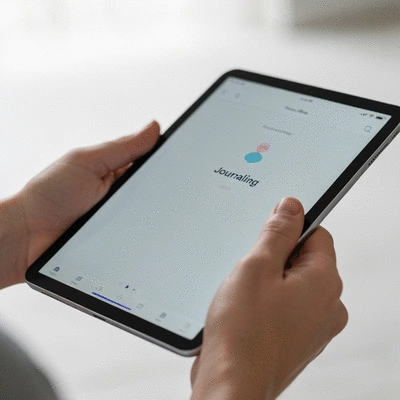
The choice between digital and physical journals often comes down to personal preference. Digital journals offer convenience and accessibility, while physical journals provide a tactile experience that many find calming. I recommend trying both to see which one resonates with you best!
Mindfulness journals encourage you to write with intention and presence. They often include exercises that help you stay grounded, enhancing your awareness of the present moment. This practice not only enriches your journaling experience but also fosters a deeper connection to your thoughts and emotions. For further reading on mental health innovations, consider exploring resources like Nature Mental Health, which offers insights into new research and approaches.
To enhance the effectiveness of your mental health journaling, consider setting a specific intention for each journaling session. For instance, before you start writing, take a moment to think about a particular emotion or experience you want to explore. This focused approach can lead to deeper insights and a more fulfilling journaling experience!
A mental health journal is a dedicated space for writing about your thoughts, feelings, and experiences to better understand and manage your emotional well-being. It's more than a diary; it's a tool for self-discovery and emotional processing.
The main benefits include emotional processing, stress reduction, increased self-awareness, and improved goal setting. It helps clarify thoughts, manage emotions, and foster a more positive outlook.
There are several types, such as Therapy Journals, Self-Care and Gratitude Journals, Anxiety and Stress Management Journals, and Mindfulness Journals. You can also choose between digital and physical formats.
Anxiety and stress management journals provide a designated space to articulate worries, practice positive affirmations, and use specific techniques to cope with difficult emotions, offering a therapeutic outlet.
To start, choose a journal that appeals to you (physical or digital), set a regular time for writing, experiment with different styles (like gratitude lists or free writing), and allow yourself to express thoughts freely without judgment.
In a world where our mental well-being often takes a backseat, mental health journals emerge as powerful tools for fostering personal growth and self-awareness. By exploring our thoughts and feelings through journaling, we unlock the potential for improved mental health. This practice encourages us to reflect, process emotions, and ultimately lead a more balanced life. Let’s take a look at some key takeaways that underline the value of journaling for mental health!
These points highlight how mental health journals can significantly impact our emotional wellness and overall quality of life. Whether you’re new to journaling or have been practicing for a while, every entry provides an opportunity for growth!
Are you ready to embark on your journaling adventure? At Memory Upgrades, I believe that everyone can benefit from taking the time to put pen to paper. Starting your journaling journey doesn’t have to be daunting! Here are a few tips to help you get going:
By integrating these practices into your routine, you'll find that journaling can be a transformative experience. Remember, this journey is all about understanding mental health benefits through the power of writing. So, grab your journal and start exploring your thoughts and feelings today!
We invite you to become part of our vibrant community at Memory Upgrades. Join our journaling challenge and share your journey with others who are also on the path to better mental health. Together, we can inspire each other to stay committed to our journaling practices!
Looking for guidance? We offer downloadable journaling prompts and resources to assist you as you navigate your mental health journey. These prompts are designed to spark inspiration and help you dive deep into your thoughts and emotions!
Remember, you’re not alone on this journey! Connecting with others can provide a sense of community and support. Share your experiences, learn from others, and make meaningful connections. At Memory Upgrades, we are here to foster a community dedicated to improving mental well-being through the art of journaling. Let’s support each other in this transformative process!
Here is a quick recap of the important points discussed in the article:
Founded by Michael Kaswatuka, Memory Upgrades emerged from a deep-seated belief in the transformative power of cognitive enhancement. Michael's journey began with a personal passion for unlocking human potential through memory improvement. With years of experience in cognitive training and brain health, Michael combines research-backed strategies with practical tips to empower our readers to enhance their memory and cognitive skills effectively.
At Memory Upgrades, our mission is to empower individuals to enhance their memory and cognitive skills through effective techniques and personalized strategies. We are committed to fostering a community where knowledge, support, and innovation converge to promote optimal brain function and lifelong cognitive health.