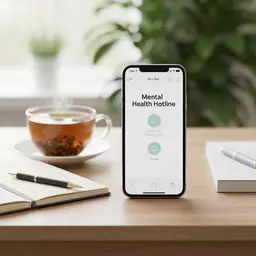
Immediate Crisis Support
- • 988 Suicide & Crisis Lifeline
- • National Suicide Prevention Lifeline
- • SAMHSA Services
- • 24/7 Availability, Confidentiality
Reaching out for help during a mental health crisis is a courageous act, and knowing where to turn can be lifesaving. Mental health crisis hotlines offer immediate support and guidance, helping individuals navigate their challenges with compassion and understanding.
Understanding how to access immediate and long-term mental health support is crucial. This guide highlights key services and resources available during and after a mental health crisis.
Mental health crises can feel overwhelming, and reaching out for help is a crucial step toward support. A mental health crisis hotline provides immediate assistance to those in distress. These hotlines serve as a lifeline, offering a safe space for individuals to express their feelings and receive guidance without judgment.
When you call a crisis hotline, you're met with trained professionals who genuinely care about your well-being. They are equipped to listen, provide emotional support, and help you navigate through challenging moments. If you or someone you know is struggling, utilizing these resources can be a vital step toward recovery.
A mental health crisis hotline is a dedicated service providing immediate assistance to individuals experiencing mental health distress. The goal is to connect people with trained counselors who can offer emotional support and practical guidance. You can reach out via phone, text, or chat, depending on what feels most comfortable for you.
These hotlines are not just for emergencies; they also offer a range of support, including coping strategies and resource referrals to further assist during tough times.
Accessing crisis support can make a significant difference in recovery. When you reach out, you open the door to understanding your feelings and connecting with others who have faced similar challenges. This connection can reduce feelings of isolation and despair. With timely intervention, many individuals can avert potential crises, allowing them to regain a sense of stability. Research from the National Library of Medicine highlights the positive impact of crisis hotlines on mental health outcomes. Remember, asking for help is a strength, not a weakness—it shows your commitment to your mental health.
Several key organizations play a vital role in providing mental health crisis support through their hotlines. These resources are designed to ensure that anyone in need can find help swiftly and efficiently. Here are some prominent organizations:
The National Suicide Prevention Lifeline is a crucial resource for anyone in crisis. With trained counselors available 24/7, it offers support and guidance to individuals contemplating suicide or facing emotional distress. It's important to know that you are not alone—help is always just a call away!
The recently introduced 988 Suicide & Crisis Lifeline offers an easy-to-remember number for those in need. This initiative aims to enhance the accessibility of mental health support. By dialing 988, individuals can connect with crisis counselors who can provide immediate assistance, making it simpler to reach out for help when it matters most. Its impact has been significant in improving access to mental health services.
The Substance Abuse and Mental Health Services Administration (SAMHSA) plays a pivotal role in shaping mental health support systems across the nation. By funding various crisis services and promoting public awareness, SAMHSA ensures that individuals have access to essential resources during their most challenging times. Their commitment to mental health advocacy helps foster a supportive environment for all.
Have you or someone you know ever reached out to a mental health crisis hotline? What was your experience like? Share your thoughts below:
After a crisis, it’s crucial to have a plan for long-term support. Transitioning from immediate crisis intervention to ongoing mental health care can significantly enhance recovery and help maintain mental well-being. At Memory Upgrades, we believe in empowering individuals with the resources they need to continue their journey toward better cognitive health.
Here are some essential post-crisis follow-up resources that can help individuals find their footing:
Utilizing these resources can provide a sense of community and ongoing support, making it easier for individuals to navigate their mental health journey. Remember, reaching out for help is a sign of strength!
Once an individual has reached out to a crisis hotline, follow-up resources become vital for sustained recovery. These resources can help individuals address the underlying issues that contributed to the crisis. Here’s what to look for:
Engaging with these resources can facilitate long-term healing and empower individuals to take charge of their mental health journey. Each step taken toward recovery is a step worth celebrating!
One of the most reliable organizations for ongoing support is Mental Health America (MHA). MHA provides a plethora of resources for individuals seeking mental health services, including:
By utilizing MHA’s resources, individuals can access support tailored to their unique needs. At Memory Upgrades, we understand the importance of ongoing support in enhancing one’s cognitive abilities and emotional resilience. Remember, you’re not alone on this journey!
Absolutely! One of the key features of crisis hotlines is confidentiality. Most hotlines, including the 988 Suicide & Crisis Lifeline, allow callers to remain anonymous. This assurance helps create a safe environment for individuals to express their feelings without fear of judgment or repercussions. If you're concerned about privacy, you can inquire about the specific hotline's confidentiality policy before sharing personal information. Remember, reaching out is a courageous step, and your privacy should always be respected!
Language barriers should never prevent someone from accessing vital mental health support. Many hotlines and mental health organizations provide multilingual support, ensuring that language is not a barrier to receiving help. Here are some resources to consider:
Seeking help is vital, and there are resources available to support everyone, regardless of language. At Memory Upgrades, we believe in a community where everyone can access the support they need! Don’t hesitate to reach out for assistance—your well-being matters.
A mental health crisis hotline is a dedicated service providing immediate assistance to individuals experiencing mental health distress. It connects people with trained counselors who offer emotional support and practical guidance, available 24/7 via phone, text, or chat.
Accessing crisis support is crucial for recovery as it helps individuals understand their feelings, reduces isolation, and provides timely intervention to avert potential crises. It demonstrates a commitment to mental health and helps regain stability.
Yes, confidentiality is a key feature of most crisis hotlines, including the 988 Suicide & Crisis Lifeline. Callers can typically remain anonymous, creating a safe space to express feelings without fear of judgment.
After an immediate crisis, long-term support is crucial. Resources include local support groups, online therapy platforms (like Talkspace and BetterHelp), counseling services, and organizations like Mental Health America (MHA) which provide assessment tools and information on local services.
The 988 Suicide & Crisis Lifeline has significantly enhanced accessibility to mental health support by providing an easy-to-remember number for immediate connection with crisis counselors, simplifying the process of seeking help during critical moments.
Being aware of the signs of a mental health emergency is essential for timely intervention. Here are some indicators that it may be time to reach out for help:
If you or someone you know is experiencing these symptoms, it’s crucial to reach out for help immediately. Recognizing these signs early can make a significant difference in an individual’s mental health journey!
When in doubt, don’t hesitate to contact a crisis hotline like 1-800-273-TALK (which now redirects to 988 for calls). This line is available 24/7 to provide immediate support and guidance for those in crisis. Here’s why timely contact is important:
Taking that first step to reach out can be daunting, but doing so can pave the way for healing and recovery. Remember, at Memory Upgrades, we're here to support you on your journey toward better mental health and cognitive enhancement! Together, we can cultivate resilience and strength.
Here is a quick recap of the important points discussed in the article:
Founded by Michael Kaswatuka, Memory Upgrades emerged from a deep-seated belief in the transformative power of cognitive enhancement. Michael's journey began with a personal passion for unlocking human potential through memory improvement. With years of experience in cognitive training and brain health, Michael combines research-backed strategies with practical tips to empower our readers to enhance their memory and cognitive skills effectively.
At Memory Upgrades, our mission is to empower individuals to enhance their memory and cognitive skills through effective techniques and personalized strategies. We are committed to fostering a community where knowledge, support, and innovation converge to promote optimal brain function and lifelong cognitive health.