
Mindfulness Techniques for Better Memory
Consider this: practicing mindfulness can not only change your perception but also enhance your memory. With the right techniques, you can unlock your brain's potential for sharper recall and better cognitive function. Let's explore how mindfulness can transform your mental landscape!
What You Will Learn
- Mindfulness meditation can increase grey matter density in the hippocampus, which is essential for memory formation.
- Consistent mindfulness practice enhances connectivity between brain regions, improving cognitive functions.
- Reducing stress through mindfulness lowers cortisol levels, which is critical for better memory retention.
- Mindfulness trains attention control, leading to improved focus and better recall of important information.
- Practicing mindfulness promotes neuroplasticity, contributing to long-term changes in memory and learning abilities.
- Cultivating mindfulness can enhance emotional regulation, which positively impacts memory performance.
Mindfulness's Impact on Brain & Memory
Mindfulness practice actively reshapes the brain, leading to measurable improvements in memory, focus, and emotional regulation. Discover how this powerful connection works.
Brain Structure & Function
Mindfulness increases gray matter density in the hippocampus and enhances connectivity between key brain regions.
- • Increased Hippocampal Density
- • Enhanced Brain Connectivity
- • Improved Emotional Regulation
Cognitive Control Boost
Neuroplasticity & Memory
Mindfulness stimulates neurogenic activity, boosting BDNF for neuron growth and improved learning.
- • Long-term Brain Changes
- • Increased BDNF Levels
- • Enhanced Learning Adaptability
Lasting Cognitive Gains
Stress Reduction & Recall
Mindfulness lowers cortisol, reducing anxiety and creating a calmer mind for better information retention.
- • Lower Cortisol Levels
- • Reduced Anxiety & Tension
- • Enhanced Focus & Retention
Improved Attention Control
Cognitive Benefits Overview
Mindfulness cultivates mental clarity, focus, and emotional balance, leading to a more robust memory.
- • Improved Focus & Clarity
- • Enhanced Memory Retention
- • Greater Emotional Stability
Holistic Brain Health
Understanding the Connection Between Mindfulness and Memory Improvement
Have you ever noticed how a simple moment of mindfulness can shift your entire perspective? At Memory Upgrades, I believe that understanding the connection between mindfulness and memory improvement is essential for anyone looking to enhance their cognitive abilities. By practicing mindfulness, we can not only improve our memory but also enhance our overall mental well-being.
Let’s dive deeper into this fascinating relationship and explore how mindfulness can transform your brain’s functionality, leading to significant improvements in memory retention and recall.
Exploring the Science Behind Mindfulness Meditation
Mindfulness meditation isn’t just a trendy practice; it’s backed by science! Research shows that mindfulness can lead to remarkable changes in brain structure and function. When we engage in consistent mindfulness activities, we strengthen the areas of our brain involved in processing information, which directly impacts our memory capabilities.
- Increased gray matter density in the hippocampus, crucial for memory formation
- Enhanced connectivity between brain regions responsible for cognitive functions
- Improved emotional regulation, which plays a role in memory recall
These structural changes indicate a profound improvement in how our brains function, making mindfulness a valuable strategy in our quest for better memory.
How Mindfulness Affects Brain Structure and Function
Mindfulness meditation influences our brain in fascinating ways. It enhances areas responsible for self-awareness and attention, leading to improved cognitive control. This means we can focus better and filter out distractions, which is vital for memory improvement. Picture your brain like a muscle: the more you exercise it through mindfulness, the stronger it becomes!
Studies suggest that individuals who practice mindfulness regularly exhibit greater brain activation in regions linked to memory and learning, such as the prefrontal cortex. This is exciting news for anyone looking to boost their cognitive skills!
The Role of Neuroplasticity in Memory Enhancement
Neuroplasticity, the brain's ability to reorganize itself by forming new neural connections, is a core component of how mindfulness enhances memory. When we meditate, we stimulate neurogenic activity, which boosts the production of brain-derived neurotrophic factor (BDNF), a protein essential for neuron growth and survival.
- Regular mindfulness practice can lead to long-term changes in brain function
- Increased BDNF levels contribute to improved memory and learning abilities
- Neuroplasticity allows us to adapt and learn new information more effectively
By leveraging neuroplasticity through mindfulness, we set ourselves up for lasting improvements in memory and cognitive function.
The Impact of Stress Reduction on Memory Performance
Stress is a significant barrier to effective memory retention. Fortunately, mindfulness practices can serve as powerful tools for reducing stress levels. When we engage in mindful breathing or meditation, our bodies naturally lower cortisol levels, which is crucial for memory performance.
Incorporating mindfulness into your daily routine can create a calm mental space that enhances your ability to remember information. This is where the beauty of mindfulness shines!
Lowering Cortisol Levels: A Key to Better Memory
High cortisol levels can impair memory and cognitive function. The great news is that mindfulness has been shown to help lower these levels significantly. By practicing mindfulness, we can create a healthier emotional environment that fosters better memory performance.
- Mindfulness can lead to lower anxiety and tension
- Reduced cortisol facilitates smoother memory processes
- A calmer mind enhances focus and information retention
As you embrace mindfulness, you’ll likely notice improvements not just in your memory but also in your stress management capabilities!
Improved Attention Control and Its Effect on Recall
Attention control is essential for effective memory recall. When we practice mindfulness, we train our brain to focus on the present moment, significantly improving our attention span. This heightened attention leads to better recall of information.

Research shows that mindfulness not only boosts cognitive flexibility but also enhances working memory. When we can control our attention more effectively, we’re better equipped to remember the details that matter in both personal and professional settings.
Frequently Asked Questions
How does mindfulness specifically improve memory?
Mindfulness enhances memory by increasing gray matter density in the hippocampus (a key memory region), improving connectivity between brain areas, reducing stress (which lowers cortisol levels), and training attention control, all of which contribute to better information retention and recall.
What is neuroplasticity and how is it related to mindfulness and memory?
Neuroplasticity is the brain's ability to reorganize itself by forming new neural connections. Mindfulness stimulates neurogenic activity and boosts the production of BDNF (Brain-Derived Neurotrophic Factor), a protein vital for neuron growth, leading to long-term changes in brain function and improved learning and memory abilities.
Can mindfulness help reduce stress that affects memory?
Yes, mindfulness practices are very effective at reducing stress. By engaging in mindful breathing and meditation, the body naturally lowers cortisol levels, a hormone known to impair memory and cognitive function when elevated. This creates a calmer mental state conducive to better memory performance.
How long does it take to see memory improvements from mindfulness?
The time it takes to see improvements can vary, but consistent practice is key. Starting with just a few minutes a day and gradually increasing can lead to noticeable changes in focus, clarity, and memory over weeks to months. Setting realistic goals and tracking progress can help maintain motivation.
Are there any recommended resources for starting a mindfulness practice?
Yes, several resources can help. Recommended books include "The Miracle of Mindfulness" by Thich Nhat Hanh and "Wherever You Go, There You Are" by Jon Kabat-Zinn. Popular apps like Headspace, Calm, and Insight Timer offer guided meditations and exercises tailored for various needs, including memory improvement.
The Neuroscience of Mindfulness: Cognitive Benefits
At Memory Upgrades, I often emphasize the cognitive benefits of mindfulness. Understanding how mindfulness influences our brain can motivate us to incorporate these practices into our daily lives. The cognitive improvements extend beyond memory and into emotional well-being.
By nurturing our minds through mindfulness, we’re paving the way for a brighter, more focused future!
Understanding the Role of Neuroplasticity in Cognitive Enhancement
As we discussed earlier, neuroplasticity is vital for enhancing cognitive abilities. Mindfulness encourages the growth of new connections and pathways in our brains. This means that with each mindful moment, we’re actively reshaping our cognitive landscape.
- Mindfulness can lead to greater cognitive flexibility
- Enhanced problem-solving skills through improved neural pathways
- Long-term cognitive benefits as we continue to practice
By embracing mindfulness, we’re not just enhancing our memory; we’re building a foundation for lifelong cognitive health!
Emotional Regulation and Its Connection to Memory Recall
Emotional regulation plays a crucial role in memory recall. Mindfulness equips us with tools to manage our emotions, leading to better memory performance. When we can regulate our emotions effectively, we create an environment that promotes optimal memory function.
So, the next time you feel overwhelmed, remember that a few moments of mindfulness can enhance your memory and overall cognitive performance. It’s all interconnected!
Interactive Poll: Your Mindfulness Journey
As you explore the connection between mindfulness and memory improvement, we want to know: How do you currently incorporate mindfulness into your daily routine?
Summarizing the Benefits of Mindfulness for Memory Improvement
As we explore the intersection of mindfulness and memory enhancement, it’s clear that the benefits are profound and far-reaching. Mindfulness practices provide a structured way to enhance cognitive performance while also promoting emotional well-being. By integrating mindfulness into our daily routines, we can experience significant improvements in how we recall information and manage our emotions.
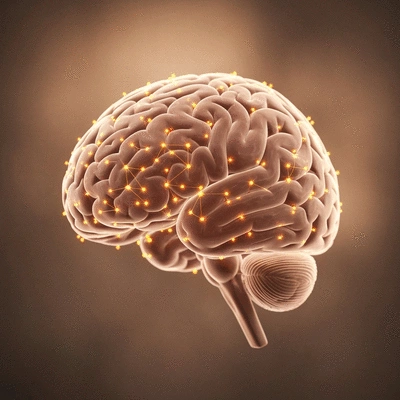
In my journey as a cognitive enhancement specialist, I’ve witnessed firsthand the transformative effects of mindfulness. It's not just about increasing memory; it’s about fostering a holistic approach to brain health that encompasses clarity, focus, and emotional balance!
The Overall Impact on Cognitive Performance and Emotional Regulation
Mindfulness has a unique ability to enhance cognitive performance and improve emotional regulation. When we practice mindfulness, we are essentially training our brain to operate more efficiently. Let’s look at some of the key benefits:
- Improved focus: Mindfulness helps center our thoughts, allowing us to concentrate better on tasks at hand.
- Enhanced memory retention: Techniques like visualization and mindful breathing can make information stick more effectively.
- Greater emotional stability: Mindfulness fosters awareness of our emotions, which can lead to better responses to stressors.
- Increased resilience: A mindful approach helps us bounce back faster from setbacks, promoting a healthier mindset.
These benefits collectively contribute to a more robust memory and cognitive skill set. As we cultivate mindfulness, we’re not just improving our memory; we’re also building a solid foundation for long-term brain health.
Enhancing Mental Clarity Through Mindfulness Practices
One of the most significant advantages of mindfulness is its ability to enhance mental clarity. By regularly practicing mindfulness, we can clear the mental clutter that often hampers our ability to retain information. Here’s how mindfulness promotes mental clarity:
- Reduced distractions: Mindfulness encourages us to acknowledge and release distractions, helping us stay focused on the present.
- Improved decision-making: With a clearer mind, we can make more informed choices that positively impact our daily lives.
- Better problem-solving: Mindfulness fosters creativity and allows for innovative thinking when faced with challenges.
Incorporating mindfulness into our daily routines can lead to significant improvements in how we process and retain information. As a specialist at Memory Upgrades, I encourage everyone to embrace these practices for a sharper mind and a more balanced life.
Moving Forward: Your Journey with Mindfulness and Memory
Tips for Starting Your Mindfulness Practice
Embarking on your mindfulness journey can seem daunting, but with the right approach, it can be incredibly rewarding! Here are some tips to help you get started on your path to enhancing memory through mindfulness:
- Start small: Begin with just a few minutes of mindfulness each day and gradually increase the time as you feel more comfortable.
- Be consistent: Aim to practice mindfulness at the same time each day to build a sustainable habit.
- Focus on your breath: Use mindful breathing as a foundation for your practice to center your thoughts and reduce stress.
- Explore different techniques: Try various mindfulness exercises, such as guided meditations or mindful walking, to discover what resonates with you.
By following these tips, you can create a personal mindfulness practice that effectively supports your memory enhancement goals!
Setting Realistic Goals for Memory Improvement
As you begin your mindfulness practice, it’s essential to set realistic goals for your memory improvement. Here’s how to approach goal-setting:
- Define your objectives: Determine what specific areas of memory you want to enhance, whether it’s remembering names or retaining information from lectures.
- Track your progress: Keep a journal to monitor your mindfulness practice and note any improvements in your memory.
- Be patient: Understand that memory enhancement takes time, and celebrate small victories along the way!
Setting achievable goals will help you stay motivated and focused on your journey toward improved memory through mindfulness.
Resources for Continued Learning and Practice: Books and Apps
To deepen your understanding and enhance your mindfulness journey, I recommend exploring various resources. Here are some valuable books and apps that can support your practice:
- Books:
- *The Miracle of Mindfulness* by Thich Nhat Hanh
- *Wherever You Go, There You Are* by Jon Kabat-Zinn
- *Mindfulness for Beginners* by Jon Kabat-Zinn
- Apps:
- Headspace: Offers guided meditations tailored to different needs, including memory improvement.
- Calm: Features mindfulness exercises and sleep stories to reduce stress and promote relaxation.
- Insight Timer: A free app with numerous meditation resources and community features.
These resources will provide you with the tools and knowledge to continue your journey and achieve lasting memory enhancement through mindfulness!
Recap of Key Points
Here is a quick recap of the important points discussed in the article:
- Mindfulness and Memory: Practicing mindfulness can lead to significant improvements in memory retention and recall.
- Brain Structure Changes: Regular mindfulness meditation increases grey matter density in the hippocampus, enhancing memory capabilities.
- Neuroplasticity: Mindfulness stimulates neuroplasticity, allowing the brain to form new neural connections and improve memory and learning abilities.
- Stress Reduction: Mindfulness practices help lower cortisol levels, which can enhance memory performance by reducing anxiety and tension.
- Attention Control: Mindfulness training improves focus and attention, leading to better information recall in daily life.
- Emotional Regulation: Mindfulness enhances emotional regulation, creating a supportive environment for optimal memory function.