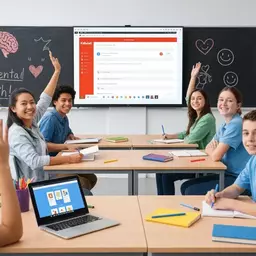
Education: Increasing Knowledge
Increases knowledge about mental health conditions and available treatments.
Mental health can often be a silent struggle, impacting countless lives. This Mental Health Awareness Month, let's break the silence and start the conversation. Together, we can foster a culture of support, understanding, and change.
Mental Health Awareness Month emphasizes three core areas: Education, Awareness, and Support. These interconnected pillars drive advocacy and foster a more understanding community.
Increases knowledge about mental health conditions and available treatments.
Highlights the prevalence of mental health issues in our communities.
Encourages individuals to seek help and offers resources for recovery.
Implementing continuous strategies for mental health beyond awareness month.
Mental Health Awareness Month (MHAM) is a vital initiative that sheds light on the importance of mental health and encourages open conversations about mental wellness. This annual observance is a time for individuals and communities to come together, share experiences, and foster a supportive environment for those struggling with mental health challenges. At Memory Upgrades, we recognize how crucial it is to raise awareness around mental health, especially as it intersects with cognitive health.
With increasing recognition of mental health's impact on overall well-being, MHAM serves as a catalyst for change, offering a platform for education and advocacy. Engaging in this month-long observance empowers individuals to seek help, share their stories, and promote understanding among peers.
The significance of MHAM lies in its ability to bring visibility to mental health issues, which are often stigmatized. By promoting awareness, we can help to dismantle the barriers that prevent individuals from accessing the care they need. Here are a few key reasons why MHAM is important:
By participating in MHAM, we not only educate ourselves but also support those who may feel isolated in their struggles. It's an opportunity to foster a culture of understanding and compassion.
Mental Health Awareness Month has evolved significantly since its inception. Established in the 1940s, its initial focus was to advocate for the mental well-being of individuals following World War II. Over the decades, the observance has expanded to encompass a broader understanding of mental health, including various conditions such as anxiety and depression. This evolution underscores the changing perceptions of mental health in society. For more information on the history and purpose of MHAM, you can refer to resources from GovInfo's Mental Health Awareness Month initiatives.
In recent years, MHAM has also embraced digital platforms, allowing outreach to wider audiences. Social media campaigns have become a powerful tool for spreading awareness and creating virtual support networks. At Memory Upgrades, we utilize these platforms to share valuable resources and tips for enhancing cognitive skills within the context of mental wellness.
Numerous organizations play a pivotal role in promoting Mental Health Awareness Month. These groups work tirelessly to provide resources, education, and advocacy to ensure mental health is prioritized in our communities. Some prominent organizations include:
The Substance Abuse and Mental Health Services Administration (SAMHSA) also offers digital toolkits to help individuals and organizations participate effectively in Mental Health Awareness Month. Additionally, the CDC is actively involved in mental health promotion, providing valuable insights and initiatives. By collaborating with these organizations, we at Memory Upgrades aim to contribute to a larger movement that fosters mental wellness and resilience.
Did you know that engaging in regular conversations about mental health can significantly reduce stigma? Make it a point to discuss mental wellness with friends or family, and encourage them to share their thoughts. Together, we can create a more supportive and understanding community.
As we embrace the spirit of Mental Health Awareness Month, it’s vital to think beyond just April. We can make a lasting impact by implementing long-term strategies for mental health advocacy. This means incorporating mental health awareness into our daily routines and community initiatives throughout the entire year.
Advocacy doesn’t stop after a month of awareness; it should be a continuous journey. By educating ourselves and others, we can create supportive environments that encourage open conversations about mental health.
Mental Health Awareness Month (MHAM) is an annual observance dedicated to raising awareness about mental health, reducing stigma, and promoting understanding and support for those facing mental health challenges.
Mental Health Awareness Month is observed annually in May.
The three core pillars are Education (increasing knowledge about conditions and treatments), Awareness (highlighting prevalence), and Support (encouraging help-seeking and providing resources).
Key organizations include the National Alliance on Mental Illness (NAMI), Mental Health America (MHA), the World Health Organization (WHO), and the Substance Abuse and Mental Health Services Administration (SAMHSA).
You can contribute through long-term advocacy strategies such as ongoing training programs, community workshops, promoting self-care, integrating mental health with other health initiatives, and advocating for mental health education in schools.
Mental health education in schools is crucial for fostering resilience and understanding among young people, helping to shape future generations with a better grasp of mental wellness and reducing stigma from an early age.
Creating meaningful change in mental health advocacy requires dedicated strategies. Here are some effective approaches:
By committing to these long-term strategies, we can foster a community that values mental health every day. At Memory Upgrades, I believe in the power of ongoing support and education to create lasting change!
Mental health is interconnected with physical health, making it essential to integrate awareness efforts. Here’s how we can achieve that:
By blending mental health initiatives with other health campaigns, we can enhance overall community well-being. It’s crucial to recognize that healthy minds contribute to healthier bodies!
Funding is a key component in supporting mental health initiatives. Here’s a step-by-step guide on how to apply for grants:
Grants can provide the financial resources necessary to implement impactful mental health programs. At Memory Upgrades, we encourage everyone to seek out these opportunities and make their advocacy efforts a reality!
Engaging with mental health issues is more important than ever! Your voice can be a powerful tool in raising awareness and fostering understanding.
Let’s explore how you can share your story and support your community in this vital conversation.
Your personal experiences can inspire others and create a sense of connection. Here are ways to share your story:
Remember, sharing your story can help break down barriers and reduce stigma around mental health. At Memory Upgrades, I advocate for openness and authenticity in these discussions—let's support one another!
Community involvement is essential for successful mental health advocacy. Here are effective ways to encourage participation:
When communities come together, we can create a more supportive environment for those facing mental health challenges. Memory Upgrades believes that collective action leads to positive change!
Education is a powerful tool in shaping how future generations view mental health. Here’s what we can do:
By making mental health education a priority in schools, we can help foster resilience and understanding among young people. At Memory Upgrades, I am passionate about equipping future leaders with the knowledge they need to thrive!
Here is a quick recap of the important points discussed in the article:
Founded by Michael Kaswatuka, Memory Upgrades emerged from a deep-seated belief in the transformative power of cognitive enhancement. Michael's journey began with a personal passion for unlocking human potential through memory improvement. With years of experience in cognitive training and brain health, Michael combines research-backed strategies with practical tips to empower our readers to enhance their memory and cognitive skills effectively.
At Memory Upgrades, our mission is to empower individuals to enhance their memory and cognitive skills through effective techniques and personalized strategies. We are committed to fostering a community where knowledge, support, and innovation converge to promote optimal brain function and lifelong cognitive health.