Crucial Mental Health Statistics
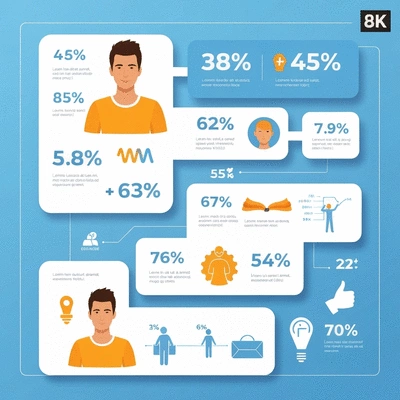
- • 1 in 5 adults experience mental illness.
- • Only 43% of adults with mental illness receive treatment.
- • Suicide is the 2nd leading cause of death among 10-34 year olds.
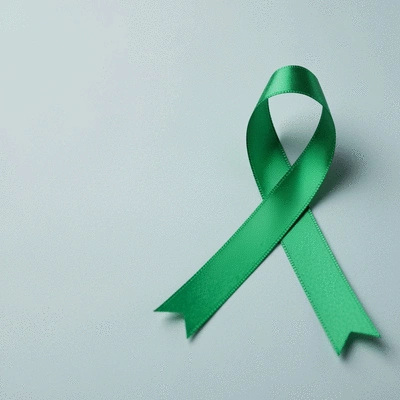
The significance of the green ribbon in mental health awareness cannot be overstated. It represents not only support and hope but also a collective commitment to breaking the stigma surrounding mental health challenges. As we wear this symbol, we embrace our role in fostering discussions and advocating for those who may be struggling.
The visual below highlights crucial mental health statistics and the significance of different colored ribbons in raising awareness.
The green ribbon serves as a powerful symbol in mental health advocacy, representing support, hope, and solidarity. It's a reminder that we are not alone in our struggles and that there is a community standing beside us. By wearing this ribbon, we show our commitment to raising awareness and fostering understanding around mental health issues, as highlighted by the Mental Health Foundation.
As someone who deeply cares about cognitive enhancement, I see the green ribbon as a beacon of hope for those navigating mental challenges. It stands not only for individual battles but also for a collective movement aiming to eliminate stigma and promote open discussions about mental health.
The green ribbon symbolizes a commitment to mental health advocacy, aiming to raise awareness about mental health challenges while encouraging compassion. It fosters conversations surrounding mental health, reminding us that it’s okay to talk about our feelings and experiences.
When we see the green ribbon, it serves as a visual cue to check in on ourselves and each other, opening pathways for essential conversations. This awareness can lead to better resources and support systems for everyone.
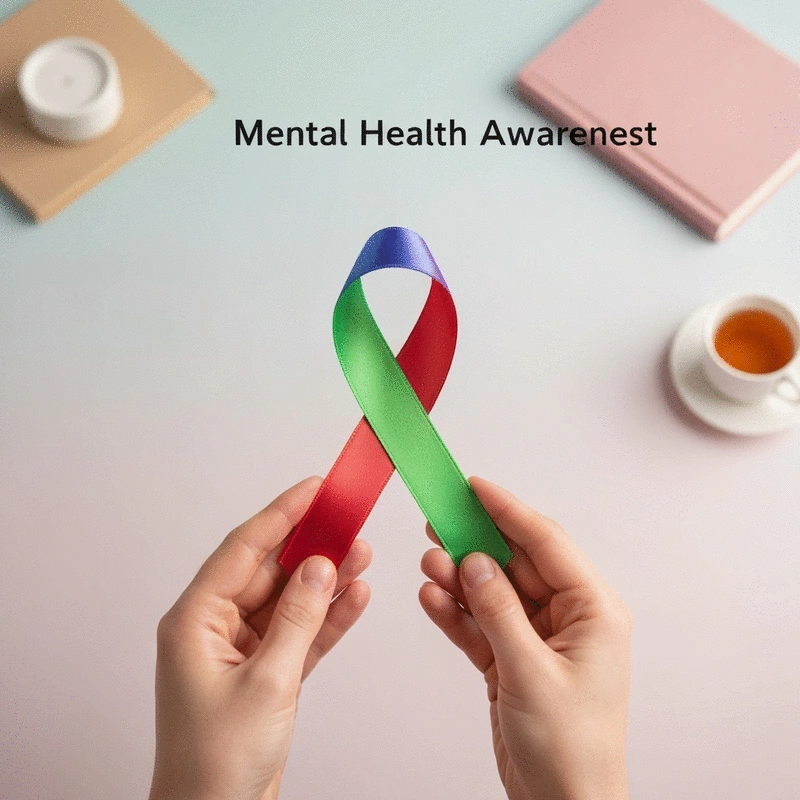
The choice of the green color for mental health is significant, as it embodies growth and renewal, echoing our journey toward improved mental well-being. But did you know that other colors represent different mental health issues?
These colors collectively contribute to a broader dialogue about mental health, helping to illustrate the diverse experiences people face. By championing these symbols, we create a more inclusive environment where everyone feels seen and supported.
Mental Health Month, celebrated every May, plays a crucial role in promoting the green ribbon and mental health initiatives worldwide. This annual observance, supported by organizations like SAMHSA, fosters awareness of mental health issues, encouraging conversations that can lead to greater understanding and compassion.
During this month, organizations and individuals alike join forces to spread awareness, share resources, and promote mental well-being. It’s a time for us to reflect on our mental health and support others in their journeys.
As part of Memory Upgrades, I encourage everyone to take part in Mental Health Month by wearing the green ribbon and participating in local events. Together, we can elevate the conversation around mental health!
The green ribbon has a rich history as a symbol of mental health awareness, originating in grassroots advocacy efforts where individuals felt compelled to address the stigma surrounding mental illness. Over time, this ribbon has evolved into a widely recognized emblem that transcends borders.
Tracing its adoption, we can see how it has become integrated into campaigns, events, and community efforts aimed at improving mental health literacy. The journey of the green ribbon illustrates how far we’ve come, and it’s a testament to the power of advocacy.
Different cultures and countries have embraced the mental health ribbon in unique ways, adapting it to their specific contexts and challenges. For instance, some nations have developed their own colors and symbols to represent local mental health issues.
These variations in representation remind us that mental health is a universal concern, and that we can learn from each other’s experiences and approaches.
World Mental Health Day, celebrated on October 10 each year, underscores the significance of the mental health ribbon in raising awareness. It serves as a rallying point for advocates worldwide, amplifying the voices of those affected by mental health issues.
This day is not just about wearing the ribbon; it’s about making a commitment to support mental health advocacy year-round.
To truly make an impact during Mental Health Month, consider sharing your personal experiences with mental health. Authentic stories can resonate deeply with others and foster a sense of community. Whether it's through social media, a blog, or local events, your voice can inspire change and encourage open discussions about mental health challenges.
As we’ve explored throughout this article, the mental health ribbon serves as a powerful symbol of support, hope, and solidarity for those facing mental health challenges. The significance of the green ribbon highlights our collective effort towards understanding and advocating for mental health awareness. By fostering conversations and reducing stigma, we can create a more supportive environment for individuals who may be struggling.
Additionally, we’ve discussed how various colors represent different mental health issues, reinforcing that awareness comes in many shades. From the green ribbon representing mental health to yellow for suicide prevention, the color spectrum plays a crucial role in advocacy. The importance of Mental Health Month and initiatives like World Mental Health Day further emphasize our dedication to raising awareness and providing support.
In summary, embracing the mental health ribbon not only raises awareness but also invites open discussions. As we wear this symbol, let's remember the change we can inspire and the conversations we can ignite!
Now that we understand the impact of the mental health ribbon, it’s time to take action! I encourage you to wear the ribbon proudly and participate in local and global mental health initiatives. Your involvement matters! Together, we can spread awareness, provide support, and advocate for those who need it most.
Here are some actionable steps you can take to get involved:
Remember, every small action can lead to significant change. By participating in these initiatives, you contribute to a larger movement that emphasizes the importance of mental health!
To further support our discussion, it’s essential to recognize the crucial mental health statistics that highlight the need for awareness and action:
These statistics are sobering and emphasize the importance of recognizing and addressing psychological disorders. Fortunately, there are various resources available to help:
By understanding these statistics and available support systems, we can equip ourselves and others with the knowledge needed to navigate mental health challenges. Let’s work together to create a community where mental health is openly discussed and effectively supported! Remember, at Memory Upgrades, we’re committed to promoting cognitive health as a vital part of overall well-being.
Here is a quick recap of the important points discussed in the article:
Founded by Michael Kaswatuka, Memory Upgrades emerged from a deep-seated belief in the transformative power of cognitive enhancement. Michael's journey began with a personal passion for unlocking human potential through memory improvement. With years of experience in cognitive training and brain health, Michael combines research-backed strategies with practical tips to empower our readers to enhance their memory and cognitive skills effectively.
At Memory Upgrades, our mission is to empower individuals to enhance their memory and cognitive skills through effective techniques and personalized strategies. We are committed to fostering a community where knowledge, support, and innovation converge to promote optimal brain function and lifelong cognitive health.