Why Representation Matters
Authentic portrayal of mental health in films:
- Promotes empathy & understanding.
- Challenges stereotypes.
- Sparks healing conversations.
Education
Every film tells a story, but some stories resonate deeper than others. When it comes to mental health, cinema can serve as a powerful tool for empathy and understanding. How can we leverage these narratives to spark meaningful conversations and challenge societal perceptions? Let's explore the key takeaways from the impactful world of mental health movies.
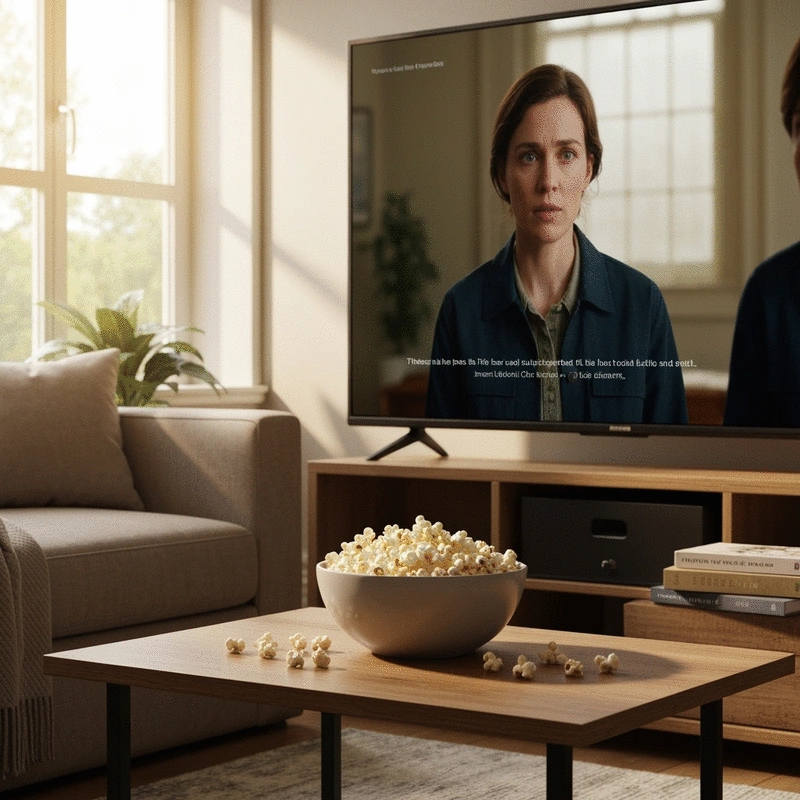
This visual highlights the crucial role of authentic mental health representation in cinema, illustrating its power to educate, reduce stigma, and encourage vital discussions.
Authentic portrayal of mental health in films:
Cinema shapes beliefs by:
Films initiate discussions by:
Deepen understanding by:
Have you ever watched a movie that made you feel understood or brought awareness to an important issue? That's the magic of film! Mental health movies can powerfully represent struggles, challenges, and triumphs, helping to lift the veil on mental illnesses. At Memory Upgrades, we believe that understanding these representations can significantly enhance our collective empathy and knowledge about mental health.
Representation matters in films because it shapes how society perceives mental health. When films portray these experiences authentically, they spark conversations that can lead to greater understanding and acceptance. Some research, like that published by PMC NCBI, indicates that positive portrayals can significantly reduce stigma. By highlighting diverse narratives, we can challenge stereotypes and inspire viewers to think more deeply about mental health issues.
Film is a unique medium that can influence public perceptions and attitudes. When mental health is portrayed positively and accurately, it can help reduce stigma and encourage individuals to seek help. For instance, studies by USC Annenberg have examined how distorted depictions in popular movies can misrepresent the reality of mental health. I often reflect on how movies can provide a shared language for discussing mental health, breaking down barriers that might otherwise prevent open dialogue.
Ultimately, the representation of mental health in movies serves as a vital tool for education. By showcasing real-life experiences, these films not only entertain but also inform viewers about the complexities of mental health.
Movies have an incredible ability to shape our thoughts and beliefs. They can create a sense of connection, making viewers feel less alone in their struggles. For instance, when we see characters overcome their challenges, it can inspire hope and resilience in our own lives. Research from Northwestern University further explores how film and TV portray mental health, influencing audience perceptions.
At Memory Upgrades, we recognize the significance of these narratives. They remind us that mental health challenges are part of the human experience. By watching and discussing these films, we can foster a culture of understanding and support for one another.
What mental health movies have had the biggest impact on you? Share your thoughts below:
As we dive into the world of cinema, it’s essential to recognize how powerful storytelling can influence our understanding of mental health. Diverse narratives in film promote empathy and awareness, ultimately reshaping societal attitudes towards mental illness. By showcasing a variety of experiences, films can validate feelings and provide a sense of connection for those struggling.
When we highlight different perspectives, we encourage viewers to engage with the complexities of mental health. This can lead to more meaningful conversations and a greater collective understanding of the challenges many face. Here’s why diverse storytelling is crucial:
By embracing these diverse narratives, we can create a culture that supports open discussions and mental health awareness.
Films serve as a unique platform for initiating open discussions about mental health. When we watch a movie that resonates with our own experiences or feelings, it often opens the door to conversations that might otherwise be difficult to navigate. Whether it's discussing a character's struggles or sharing personal reflections, films can create a safe space for dialogue.
Consider these strategies to facilitate open discussions:
By fostering these conversations, we can not only support each other but also advocate for better mental health resources and understanding in our communities.
If you're seeking films that resonate with your personal journey or those of loved ones, I've gathered some insightful recommendations for you. These selections focus on various mental health themes, making them perfect for reflection or discussion:
Each of these series offers a unique lens on mental health, providing both entertainment and insight!
Engagement doesn’t stop at just watching movies; it can lead to deeper connections and understanding. Connecting with mental health communities can enhance your experience and provide valuable insights. Here are some ways to further explore these themes:
By actively engaging with these communities, you can contribute to a supportive dialogue and foster a greater understanding of mental health through the cinematic lens. Remember, at Memory Upgrades, we believe that enhancing our understanding of cognitive skills, including emotional insights, can empower us to lead healthier lives!
Here is a quick recap of the important points discussed in the article:
Founded by Michael Kaswatuka, Memory Upgrades emerged from a deep-seated belief in the transformative power of cognitive enhancement. Michael's journey began with a personal passion for unlocking human potential through memory improvement. With years of experience in cognitive training and brain health, Michael combines research-backed strategies with practical tips to empower our readers to enhance their memory and cognitive skills effectively.
At Memory Upgrades, our mission is to empower individuals to enhance their memory and cognitive skills through effective techniques and personalized strategies. We are committed to fostering a community where knowledge, support, and innovation converge to promote optimal brain function and lifelong cognitive health.