Simple Techniques to Boost Memory
Did you know that memory enhancement can significantly improve both your personal and professional life? By tapping into effective memory techniques, you can transform your cognitive abilities and engage more fully with the world around you. Let's explore the valuable insights you can gain from understanding memory enhancement!
What You Will Learn
- The three essential stages of memory: encoding, storage, and retrieval.
- How spaced repetition can significantly boost long-term memory retention.
- Creative mnemonic devices to enhance recall and make learning enjoyable.
- The role of neuroplasticity in developing new neural connections through learning.
- Active recall techniques that challenge your knowledge and strengthen retention.
- Mind mapping as a visual strategy for organizing and remembering information.
Memory Enhancement: Encoding, Storage, and Retrieval
Memory operates in three crucial stages: Encoding, Storage, and Retrieval. Understanding these stages allows us to identify where to strengthen our memory skills for improved performance.
Encoding
Taking in information and converting it into a storable form.
Storage
Retaining encoded information over varying durations.
Retrieval
Recalling stored information when it is needed.
Neuroplasticity
Brain's ability to adapt and form new connections.
Understanding the Importance of Memory Enhancement
Memory is not just a function of the brain; it’s a vital part of our daily lives! From remembering names and faces to recalling important facts, our memory shapes how we interact with the world. At Memory Upgrades, I believe that enhancing your memory can significantly improve your personal and professional life. It allows you to learn more effectively, make better decisions, and engage fully with the people around you.
Every day, we face countless situations that require us to tap into our memory. For instance, think about the last time you forgot where you put your keys or struggled to remember a colleague's name. These small lapses can lead to frustration and missed opportunities. By understanding the importance of memory enhancement, we can take practical steps to improve our cognitive abilities and overall brain health!
Why Memory Matters for Daily Life and Learning
Memory plays a central role in our ability to learn and adapt. It's essential for acquiring new skills and knowledge. When we grasp concepts quickly, we not only perform better academically but also thrive in our careers! Here are a few key reasons why memory matters:
- Improved Learning: A strong memory enhances your capacity to absorb information.
- Better Decision-Making: Remembering past experiences helps you make informed choices.
- Stronger Relationships: Recall of personal details fosters deeper connections with others.

As someone deeply engaged in cognitive enhancement, I’ve seen firsthand how effective memory techniques can transform lives. Understanding why memory matters sets the stage for exploring techniques that can help you unlock your full potential.
The Science Behind Memory: How It Works
Memory is a complex process involving encoding, storage, and retrieval. It’s fascinating to think about how our brains work! To give you a clearer picture, here’s how memory operates:
- Encoding: The process of taking in information through our senses and converting it into a form that can be stored.
- Storage: The actual retention of encoded information over time, which can vary in duration.
- Retrieval: The act of recalling stored information when needed.
Understanding these stages is crucial, as it allows us to identify where we can enhance our memory skills. With the right techniques, we can strengthen each phase, leading to improved memory performance. As a cognitive enhancement specialist, I emphasize the importance of using scientifically-backed strategies to improve our memory, leveraging insights from current research.
Interactive Poll: Your Memory Journey
We want to know how you approach memory enhancement! What technique have you found most effective in improving your memory? Choose one of the following:
Scientific Techniques to Boost Memory Retention
Enhancing your memory is not just a goal; it’s a journey! At Memory Upgrades, we believe in the transformative power of scientific techniques that can significantly improve your memory retention. These methods are backed by research and are designed to be practical and effective for everyday use. Let’s explore some of the most effective strategies together!
Spaced Repetition: Effective Learning Methodologies
Have you ever studied for a test and felt like the information slipped right through your fingers? Spaced repetition is an incredible technique that helps combat this issue. It involves reviewing information at increasing intervals, which helps reinforce learning and transfer knowledge into long-term memory. By spacing out your study sessions, you allow your brain to absorb and retain information more effectively.
- Start by breaking down your material into smaller chunks.
- Review the content shortly after learning it.
- Gradually increase the time between each review session.
For example, if you’re learning a new language, review vocabulary words after one day, then after three days, and then a week later. This technique not only saves time but also boosts your ability to remember! Harvard's Academic Resource Center provides further insights into how memory and attention are linked to effective learning strategies like spaced repetition.
Mnemonic Devices: Creative Aids for Better Recall
Mnemonic devices are clever tricks that can make recalling information easier and even fun! These tools help you connect new information with something you already know, making it stick more effectively. They can come in various forms, such as acronyms, rhymes, or visual imagery.
- Acronyms: Create a word from the first letters of the items you need to remember.
- Rhymes: Use catchy phrases to link concepts together.
- Visualization: Picture a vivid scene that represents the information.
For instance, to remember the colors of the rainbow, use the acronym ROYGBIV (Red, Orange, Yellow, Green, Blue, Indigo, Violet). Get creative and have fun with it!
Neuroscience Insights: The Role of Neuroplasticity in Memory
Did you know that our brains can change and adapt throughout our lives? This amazing ability is known as neuroplasticity, and it plays a crucial role in memory enhancement. By engaging in new learning experiences and challenging your brain, you stimulate the formation of new neural connections.
- Try learning a new skill or hobby.
- Engage in puzzles and brain games that require strategic thinking.
- Practice mindfulness and meditation to improve focus and cognitive flexibility.
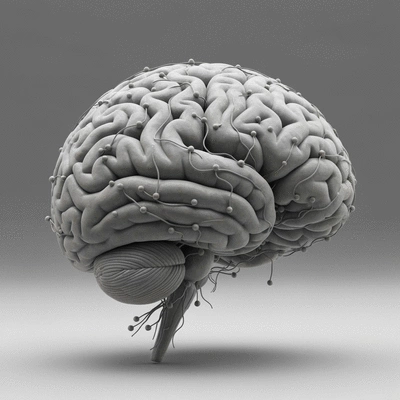
At Memory Upgrades, we encourage you to embrace lifelong learning as a way to foster neuroplasticity and strengthen your memory! MIT Horizon also offers valuable insights and techniques for enhancing memory through various learning approaches.
Active Recall: Improving Memory Through Retrieval Practice
Active recall is all about testing yourself! Rather than passively reading or highlighting notes, actively retrieve the information from your memory. This method significantly strengthens your memory retention.
- Ask yourself questions about the material.
- Create flashcards with prompts and answers.
- Use practice tests or quizzes to challenge your knowledge.
Regularly incorporating active recall into your study routine can lead to more profound understanding and retention of information. Remember, it’s not just about studying harder; it’s about studying smarter!
Mind Mapping: Structuring Information for Better Retention
Mind mapping is a visual technique that allows you to organize thoughts and concepts in a way that makes sense to you. It’s a fantastic way to see the big picture while also breaking down complex information. By using colors, drawings, and branches, you create a map that enhances your ability to remember.
- Start with a central idea in the middle of your page.
- Branch out with related topics and subtopics.
- Use images and colors to make it visually appealing.
This creative process not only makes learning enjoyable but also strengthens your memory connections. Give it a try when you’re preparing for a presentation or studying for an exam!
Frequently Asked Questions (FAQs)
- What are the three essential stages of memory?
- The three essential stages of memory are encoding (taking in information), storage (retaining information), and retrieval (recalling information when needed).
- How does spaced repetition improve memory?
- Spaced repetition improves memory by reviewing information at increasing intervals, which reinforces learning and helps transfer knowledge into long-term memory.
- What are mnemonic devices and how can they help?
- Mnemonic devices are creative aids like acronyms, rhymes, or visual imagery that help connect new information with existing knowledge, making recall easier and more effective.
- What is neuroplasticity and its role in memory enhancement?
- Neuroplasticity is the brain's ability to change and adapt by forming new neural connections. Engaging in new learning experiences and challenging the brain stimulates this process, strengthening memory.
- What is active recall and why is it effective?
- Active recall involves testing yourself by actively retrieving information from memory rather than passively reviewing it. This method strengthens memory retention by challenging your knowledge and improving retrieval practice.
- How can mind mapping help with memory and learning?
- Mind mapping is a visual technique that helps organize thoughts and concepts using colors, drawings, and branches. It enhances memory by providing a clear, structured overview of information, making it easier to comprehend and recall.
Recap of Key Points
Here is a quick recap of the important points discussed in the article:
- Memory Enhancement is Essential: Improving memory can significantly enhance personal and professional experiences.
- Memory's Role in Learning: Strong memory aids in learning new skills, making informed decisions, and building relationships.
- Techniques for Memory Improvement: Methods like spaced repetition, mnemonic devices, and active recall are effective for retaining information.
- Neuroplasticity: Engaging in new experiences can strengthen memory through the brain's adaptability.
- Mind Mapping: Organizing information visually can enhance comprehension and retention.